Car Insurance After a DUI in 2026: Costs, SR-22 Rules, and How to Bounce Back
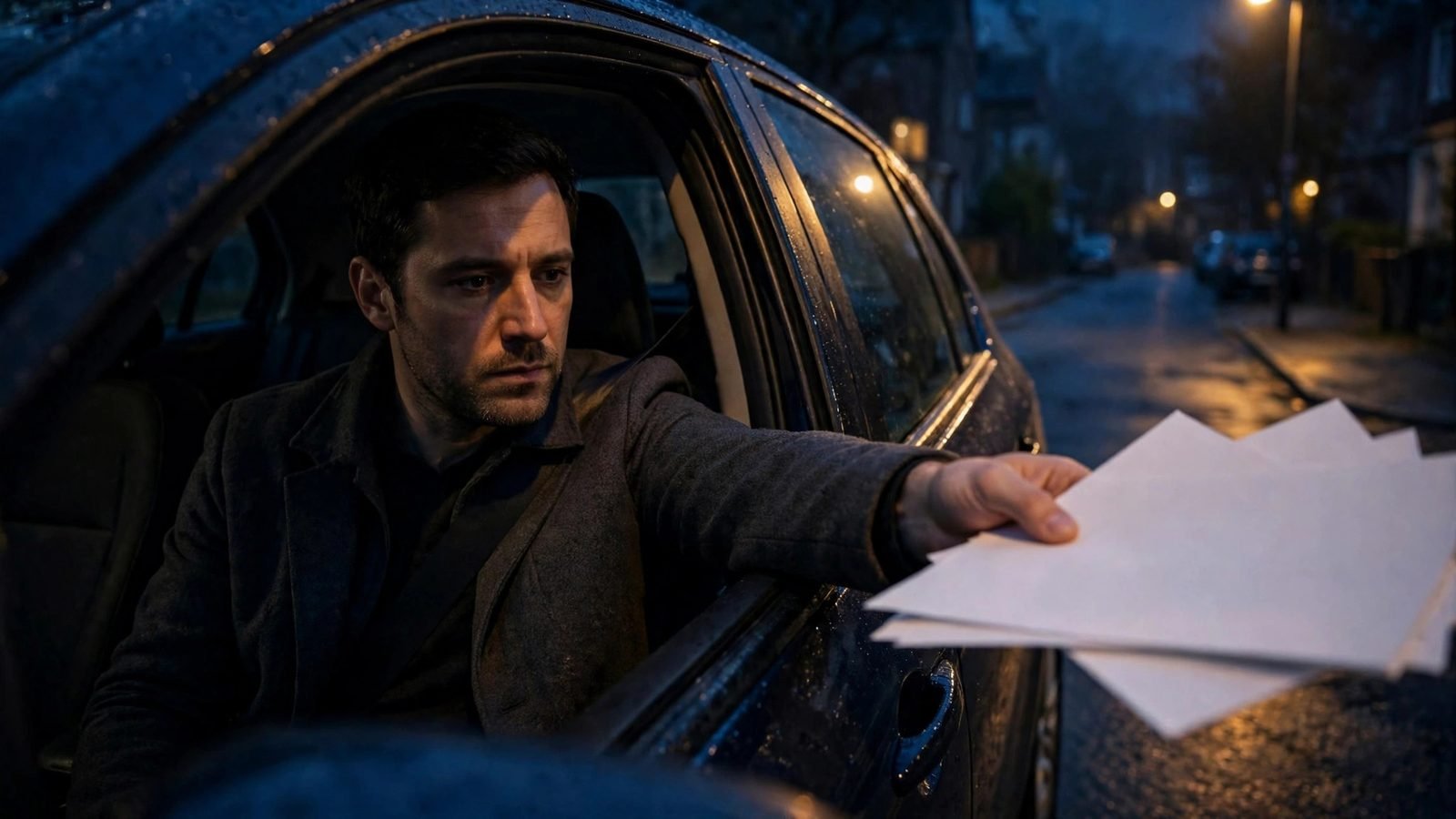
One bad night. One decision you wish you could take back. And then, weeks later, a letter from your insurance company that somehow stings almost as much as the court date did.
If you’re reading this, you’re probably staring at a renewal notice that doubled, a cancellation letter, or a quote so high you checked it twice for a typo. I’ve talked to plenty of drivers in your spot, and here’s the good news: this is survivable. Expensive, yes. Frustrating, absolutely. But car insurance after a dui is a problem with a process, and once you understand it, you can start working it in your favor.
Let’s walk through what actually happens to your rates, what an SR-22 really is, and the concrete steps that bring car insurance after a dui back down to earth.
What Happens to Your Insurance the Moment a DUI Hits Your Record
Here’s the part nobody explains clearly. Your insurer doesn’t find out about your DUI the night it happens. They usually learn about it when your policy comes up for renewal and they pull your motor vehicle report, or when your state requires you to file proof of insurance to get your license back.
Once they know, two things can happen — and neither is subtle.
First, your rate can jump at renewal — insurers file DUI drivers into a high-risk tier, which can add hundreds or thousands of dollars a year. Second, and this catches people off guard, your insurer can simply non-renew you. Many standard carriers have a hard rule: one DUI and you’re out. You’ll get a notice, usually 30 to 60 days out, and then you’re shopping with a fresh DUI on your record and a deadline hanging over you.
Why so harsh? Insurers see DUI drivers as far more likely to file a big claim — that’s the cold logic behind car insurance after a dui pricing. Your job over the next few years is to build a record that argues back.
And don’t think about leaving the DUI off an application. Insurers pull your record anyway, and a misrepresentation can get a policy voided right when you need it most.
How Much Does Car Insurance After a DUI Actually Cost?
Let’s talk numbers, because vague warnings don’t help you budget.
For a driver with a clean record, full coverage in 2026 typically runs around $2,000 a year nationally. After a DUI, that same driver commonly pays $4,000 to $5,500 a year — an increase of roughly 80% to 150%, sometimes more.
Here’s a realistic before-and-after picture:
| Situation | Estimated Annual Premium (Full Coverage) |
|---|---|
| Clean record, no violations | ~$2,000 |
| One DUI, first year after conviction | ~$4,000 – $5,500 |
| One DUI, shopping high-risk specialists | ~$3,400 – $4,600 |
| Liability-only after a DUI (older paid-off car) | ~$1,800 – $2,800 |
| Three clean years after the DUI | ~$2,300 – $3,000 |
That middle row matters. The spread between the first quote you’re handed and the best one available can be $1,000 a year or more — bad news if you take the first offer, great news if you shop properly.
And the premium is only part of the bill. Add up the whole mess and a DUI commonly costs well over $10,000:
| DUI Cost | Typical Range |
|---|---|
| Fines and court costs | $500 – $2,000 |
| Attorney fees | $1,500 – $5,000 |
| License reinstatement, classes, and fees | $500 – $1,500 |
| SR-22 filing fee | $15 – $50 |
| Extra insurance cost over 3 years | $6,000 – $10,000+ |
See that last line? The insurance increase is often the single biggest cost of a DUI — bigger than the fine, bigger than the lawyer. That’s exactly why shopping hard for coverage isn’t optional. It’s where the real money is.
The SR-22: A Small Form That Runs Your Life for a While
If there’s one term you’ll hear constantly, it’s SR-22. So what is it, really?
An SR-22 isn’t insurance. It’s a certificate your insurer files with your state proving you carry at least the minimum required liability coverage. Most states require one after a DUI before they’ll reinstate your license, and you typically have to keep it on file for about three years, though the exact period varies by state.
A few things about the SR-22 that drivers learn the hard way:
- Not every insurer files them. Some big-name carriers simply won’t, which is another reason DUI drivers get pushed toward high-risk specialists.
- The filing itself is cheap — usually a one-time fee of $15 to $50. It’s the high-risk premium behind it that costs you.
- A lapse is a disaster. If your policy cancels while an SR-22 is required, your insurer must notify the state, and your license can be suspended again — and the SR-22 clock may restart. Whatever you do, don’t let coverage gap.
- Your state might use a different form. Florida and Virginia, for instance, use an FR-44 for DUI cases, which requires higher liability limits and costs more.
Think of the SR-22 as a leash connecting your insurance to your license. Keep the policy paid, and it’s mostly paperwork. Let it slip, and things snowball fast.
Why Standard Insurers Walk Away — and Who Will Take You
Getting dropped feels personal. It isn’t, mostly. Standard carriers build their business on predictable, preferred-risk drivers, and their underwriting guidelines often flatly prohibit a DUI within the last three to five years. When your renewal comes up, a computer applies the rule and out goes the letter.
The good news? When it comes to car insurance after a dui, there’s an entire segment of the industry built for drivers like you. Nonstandard specialists — The General, Dairyland, Progressive’s high-risk division, plus regional carriers — actively compete for DUI drivers. Independent agents who specialize in high-risk placements can be gold here, because they know which companies are merely expensive and which are reasonable this year.
The coverage itself can be identical to what you had — liability, collision, comprehensive, the works. What differs is price and flexibility. My honest advice: get quotes from at least three or four sources, including an independent agent who works the high-risk market daily. Big comparison sites sometimes decline DUI profiles outright, so a human who knows this niche can save you real money.
How Long Does a DUI Affect Your Insurance Rates?
How long does car insurance after a dui stay expensive? That’s the question everyone asks, and the honest answer is: longer than you’d like, but not forever.
With most insurers, a DUI affects your rates for about three to five years from the conviction date. During that window you’ll pay the high-risk premium. Keep your record clean — no tickets, no lapses, no claims you can avoid — and you’ll usually see meaningful drops at each renewal as the violation ages.
But two different clocks are running, and confusing them trips people up:
- The insurance clock (3–5 years). This is how long most carriers surcharge you or refuse to offer you standard rates.
- The record clock (often longer). Your state keeps the DUI on your driving record for its own schedule. In California, for example, a DUI stays on your record for 10 years. Some insurers in some states can look back further than five years, even if the heaviest surcharging happens early.
So can you get standard rates again? Yes — once you’re three to five years out with a spotless record since, standard carriers start saying yes again. The drivers who recover fastest treat those years like probation for their premium: continuous coverage, zero new violations, and a re-shop every renewal.
Steps That Actually Bring Your Premium Back Down
You can’t erase the DUI, but you’re not powerless. These moves make a genuine difference:
Shop high-risk specialists first. Don’t beg standard carriers who’ve already decided no. Compare at least three or four quotes — the spread is enormous.
Keep coverage continuous, no matter what. A lapse on top of a DUI is one of the worst combinations in underwriting. If money gets tight, call your insurer and adjust the policy before it cancels. Never just stop paying and hope.
Raise your deductible — carefully. Moving from a $500 to a $1,000 deductible can trim your premium noticeably. Just be honest with yourself: could you actually produce that $1,000 after a crash? If not, the savings are a trap.
Try telematics. Usage-based programs that track braking, speed, and mileage can earn careful drivers 10% to 30% off at some carriers. After a DUI, proving with data that you drive gently is a powerful argument.
Take a defensive driving or alcohol education course. Some states and insurers credit approved courses with a modest discount, and finishing court-ordered programs early never hurts your profile.
Fix the quiet factors. Pay in full if you can to dodge installment fees, work on your credit where your state allows it in pricing, and ask about bundling renters or home insurance. Stacked together, these add up.
Re-shop every renewal. Your price should fall as the DUI ages. If you’re not re-quoting every six or twelve months, you’re probably donating money to an insurer who’s still pricing you like it’s year one.
Frequently Asked Questions
Can I get car insurance right after a DUI conviction?
Yes. It’ll cost more and your options will be narrower, but coverage is available — usually through high-risk carriers, often with an SR-22 attached. Start shopping the moment you know your current policy is ending, because driving uninsured after a DUI creates legal problems far worse than a high premium.
How much will my insurance go up after a DUI?
Most drivers see full-coverage premiums rise by roughly 80% to 150%. In practical terms, a policy that cost about $2,000 a year often jumps to somewhere between $4,000 and $5,500. Your state, carrier, age, and whether you shop high-risk specialists all move that number — sometimes by thousands.
What happens if I let my insurance lapse with an SR-22?
Your insurer is required to tell the state, and your license can be suspended again. Worse, in many states the SR-22 clock restarts, adding months or years to the whole process. If you’re struggling to pay, call the insurer and ask about adjusting coverage or payment timing before the policy cancels.
When will my rates go back to normal after a DUI?
For most drivers, rates return close to standard levels after three to five clean years, with the biggest improvements usually coming once the DUI passes the three-year mark — provided you’ve kept continuous coverage and avoided new tickets. Some states keep it visible longer, up to 10 years in California, but the heavy surcharging phase is typically the first three to five years.
Your Next Move, Starting Today
I know this feels like a pile-on: court, fines, classes, and now insurance that costs as much as a car payment. Take a breath. The drivers who come out the other side aren’t the ones who found a secret loophole — they’re the ones who handled the boring stuff well.
So here’s your short list for car insurance after a dui. Get your SR-22 sorted through an insurer who files them routinely. Collect several quotes from high-risk specialists instead of accepting the first number. Set up payments so coverage can never lapse by accident. Then re-shop at every renewal, because your price should keep falling as that DUI gets older.
One mistake put you here. A few years of careful, documented, boringly responsible driving gets you out. Start with one quote today, and let the clock do the heavy lifting from there.